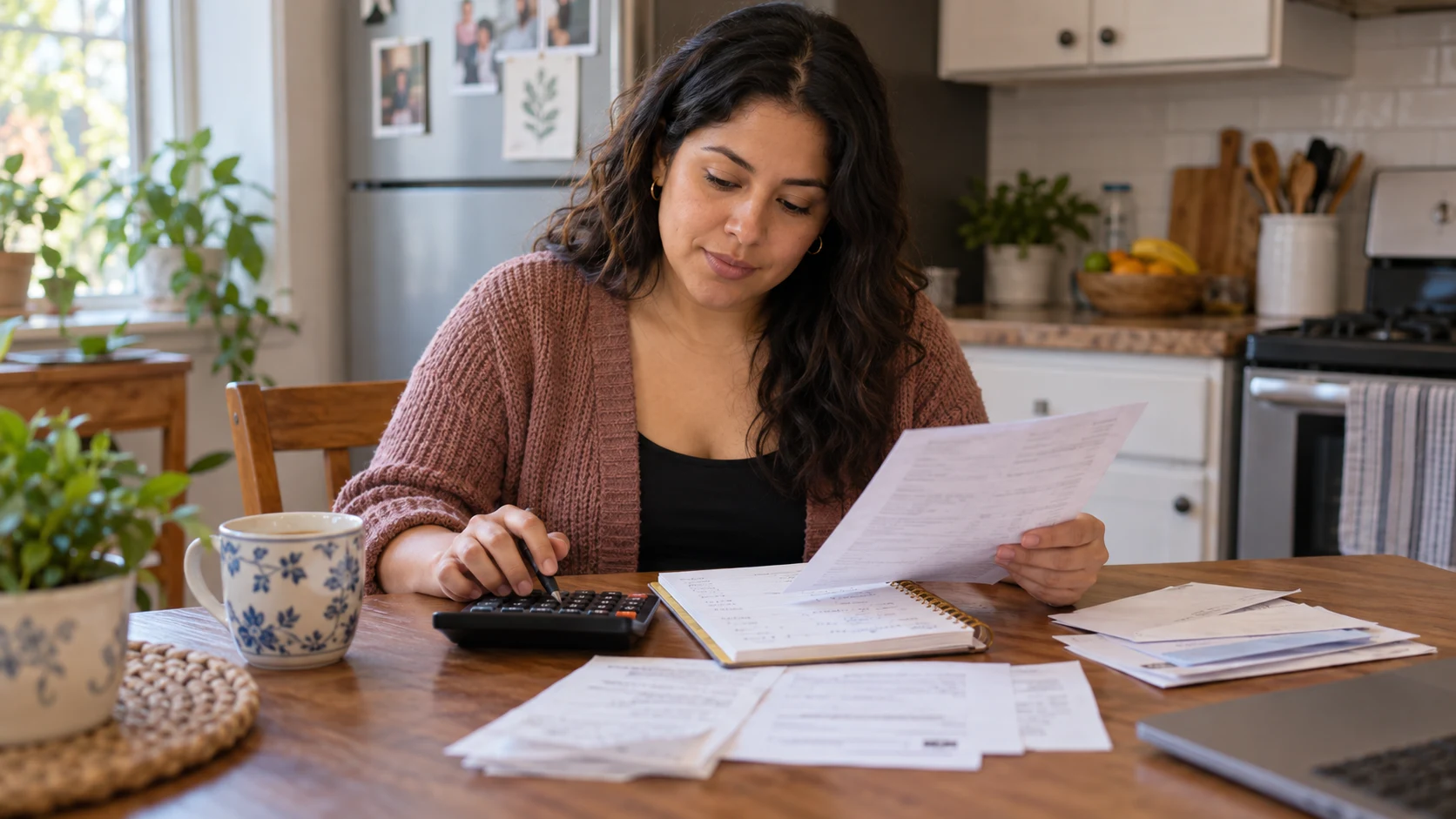
Budgeting is important because it shows how much money you have, what you need to pay, and what is left for everything else. It helps you make decisions before the money is gone, including how much you can spend, save, or set aside for an upcoming bill.
A budget does not have to mean giving up every dinner out or treating every purchase as a mistake. It is a practical way to make your money reflect what matters to you, while keeping necessary expenses in view.
See the difference between income and available money
A paycheck arriving in your account can look like money you are free to spend. But rent, groceries, transportation, and other bills may already account for most of it. A budget makes those commitments visible.
For example, imagine you receive $3,500 after taxes and plan $2,800 for necessary expenses. That leaves $700 to divide among savings, additional debt payments, entertainment, and other priorities. The numbers will be different for every household, but the calculation gives you a starting point.
Include expenses that do not happen every month
Car registration, birthdays, school supplies, and annual subscriptions can be easy to forget. They are still part of what your money needs to cover. Write them down alongside your monthly bills.
If an annual expense is $600 and you have a full year to prepare, setting aside $50 a month would cover it. If the due date is closer, adjust the amount to the time you actually have. Planning ahead can make a predictable bill feel less surprising.
Leave room for enjoyment
A realistic budget includes some of the things you value, where your income allows. That might be a hobby, a family outing, or coffee with a friend. Decide what fits instead of setting a plan you know you will abandon.
When money is tight, a budget can reveal a shortfall, but it cannot make an inadequate income cover every expense. Seeing the problem clearly still matters. It tells you when changing spending alone is not enough.
Give savings a purpose
Saving is easier to picture when you know what the money is for. You might be preparing for a repair, a move, or a trip. Consumer.gov explains that a budget can include savings as a planned expense, rather than relying only on whatever happens to remain.
Choose an amount that fits your circumstances. A small amount you can repeat is more useful than a large target that leaves you unable to pay an essential bill.
Check what you actually spent
Compare your plan with your transactions. If groceries cost more than expected, update the next month's plan using the real number. If a subscription is no longer useful, you can decide whether to cancel it.
A spending tracker can help you spot patterns. Review your budget when your income or expenses change, and include anyone who shares responsibility for the bills.
Make the next decision easier
A useful budget answers a simple question, can I afford this while still covering what matters? It does not remove every financial worry, but it gives you information you can use before agreeing to another expense.
Start with your take home income, your bills, and a realistic picture of daily spending. A notebook, spreadsheet, or app can all work. The best format is one you will actually keep using.