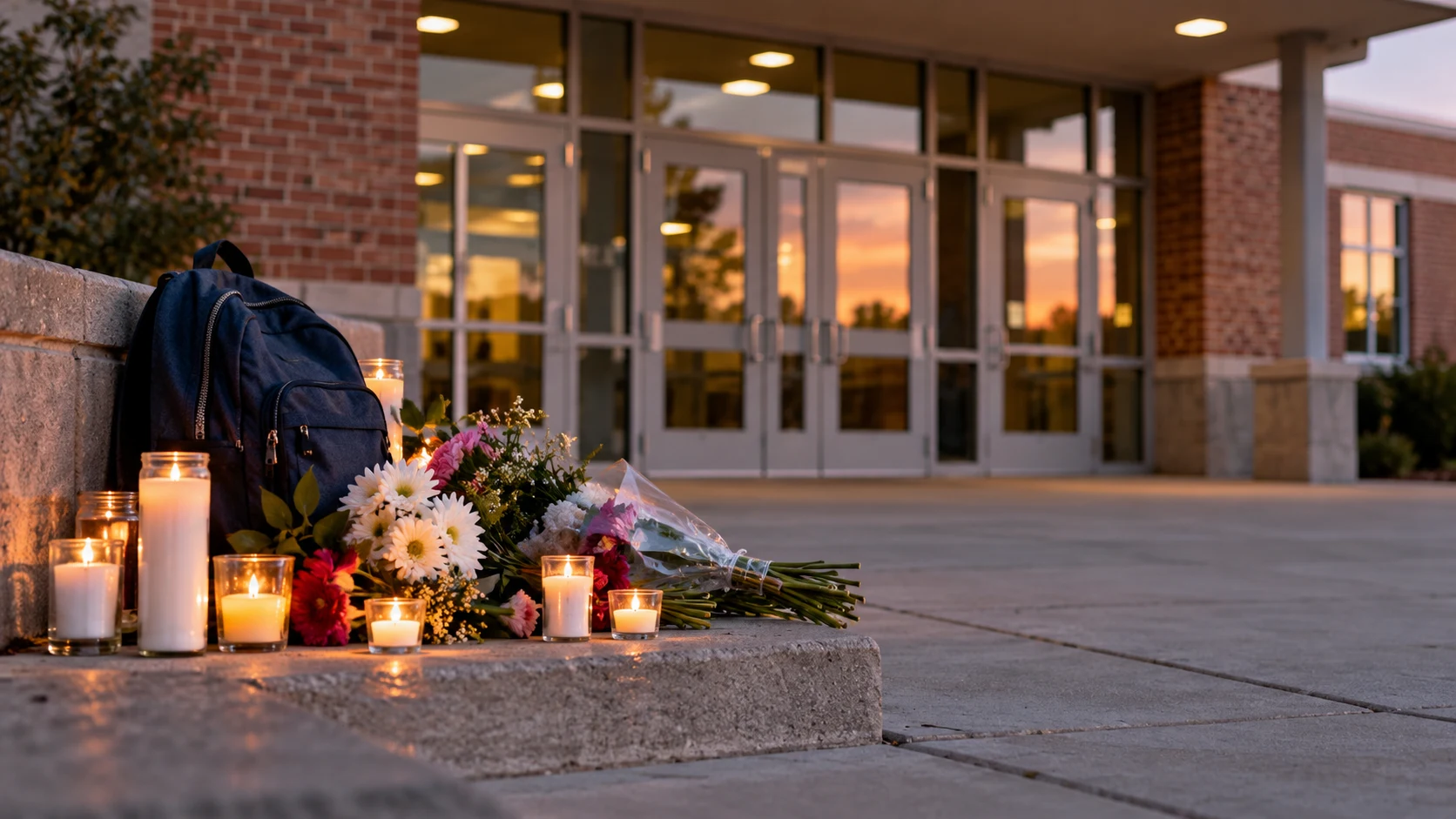
School shootings are acts of gun violence in a school setting that can affect students, families, educators, and entire communities. Understanding the issue means taking safety seriously, using verified information, and giving children room to talk about their concerns.
For families, the worry can continue after a news story leaves the headlines. A normal school morning can bring questions about safety that adults wish they did not have to answer. Those conversations deserve patience and clear information, without graphic details.
Start with what your child has heard
Ask what they know and what they are wondering about. Listen before explaining. The National Child Traumatic Stress Network recommends correcting misinformation gently, answering questions in language suited to the child's age, and limiting exposure to distressing coverage.
A younger child may ask one short question, while a teenager may want to discuss the news in more detail. Follow the conversation they are ready to have. It is okay to say you do not know an answer and will check.
Be honest without making promises you cannot keep
Reassure children about the adults and routines that support them, without promising that nothing bad could ever happen. Ask whether there is something specific at school that worries them. A conversation about a news story may reveal a separate concern about bullying or feeling isolated.
Keep the door open for another conversation later. Children do not always know how they feel the first time they hear difficult news.
Know where school information comes from
Check your school's official communication channels, emergency contact procedures, and family reunification information. Make sure the school has your current phone number and knows who is authorized to pick up your child.
During an unfolding incident, use information from the school district and local authorities. Avoid sharing names, photos, or claims that have not been confirmed. Rumors can add distress for families waiting for reliable information.
Safety includes everyday school life
The CDC describes school violence prevention as shared work involving schools, families, students, and communities. Safety includes how concerns are reported and addressed, as well as whether students feel connected to trusted adults.
Ask how students can report a concerning message or situation, and who families can contact. Children should know which adult they can approach. They should not feel responsible for investigating threats themselves. If there is immediate danger, contact emergency services.
Support people beyond the headlines
Respect the privacy of affected families. Before donating or sharing a fundraiser, confirm that it comes from an authorized organization or a verified family representative. Practical support should follow what the community actually requests.
School shootings cannot be reduced to a simple checklist or a single explanation. Listening to families and educators, checking facts, and supporting thoughtful prevention keeps the focus on the people whose lives are affected.